
For students across the United States, managing transportation costs can be a significant part of their budget. Whether commuting to college, heading to a part-time job, or traveling between campuses, finding affordable transportation options for students in the USA is crucial. This guide explores various cost-effective methods to help students navigate their daily commutes without breaking the bank.
Many cities offer robust public transportation systems that provide students with an economical way to travel. Buses, trams, and trains often have discounted fares for students, making them an attractive option for daily commuting. For instance, cities like New York, Chicago, and San Francisco have extensive transit networks with student passes that reduce travel expenses significantly.
Utilizing public transportation not only saves money but also contributes to reducing traffic congestion and environmental impact. Students can take advantage of metro cards, prepaid passes, and student-specific routes to streamline their commutes.
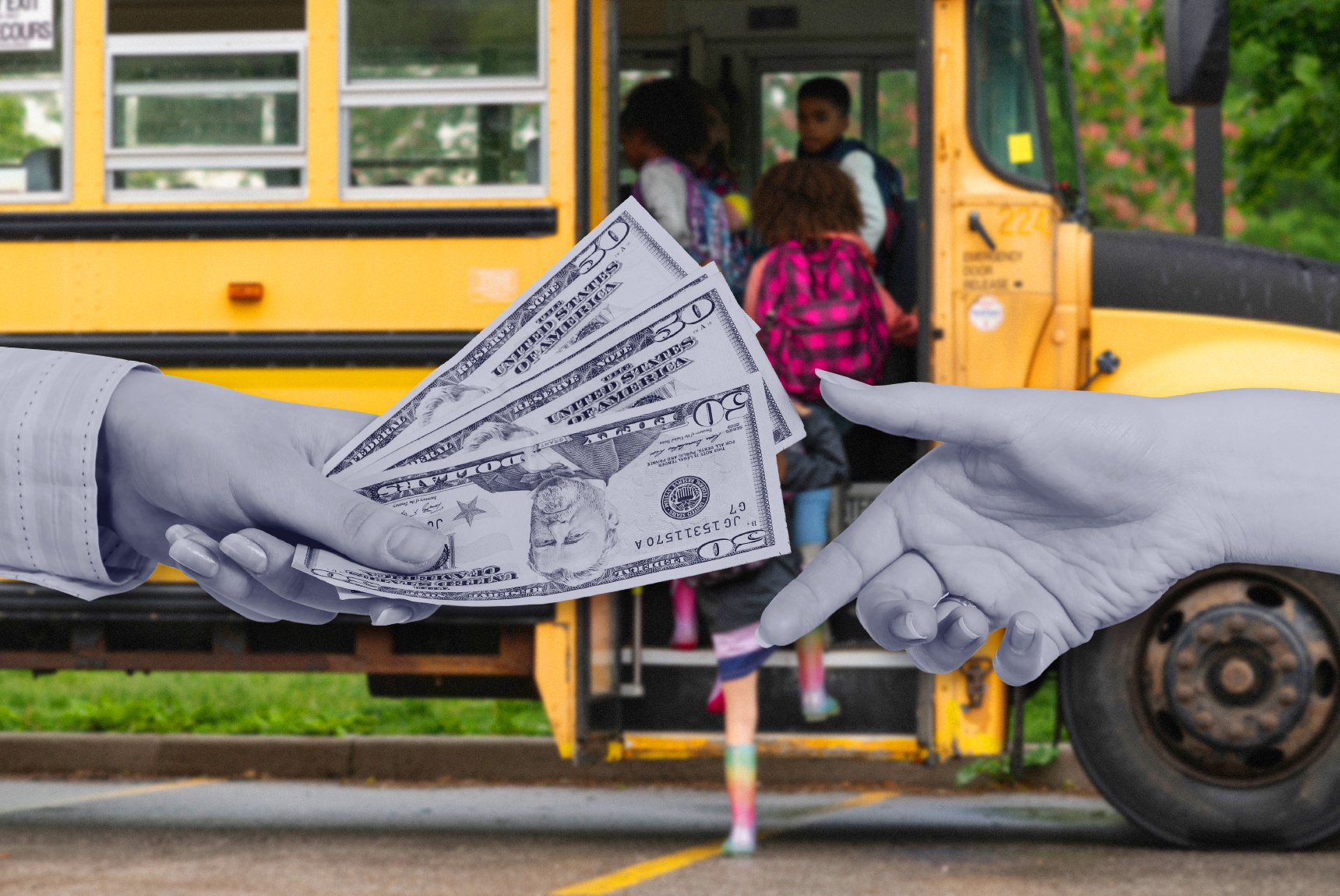
Rideshare platforms like Uber and Lyft offer students a flexible transportation option, especially when public transit isn't available or convenient. While typically more expensive than traditional public transport, students can save money by sharing rides with friends or using carpool features.
Many rideshare services provide student discounts or promotional codes, making them more affordable. It's advisable for students to compare prices, consider pooling options, and plan trips during off-peak hours to minimize costs.
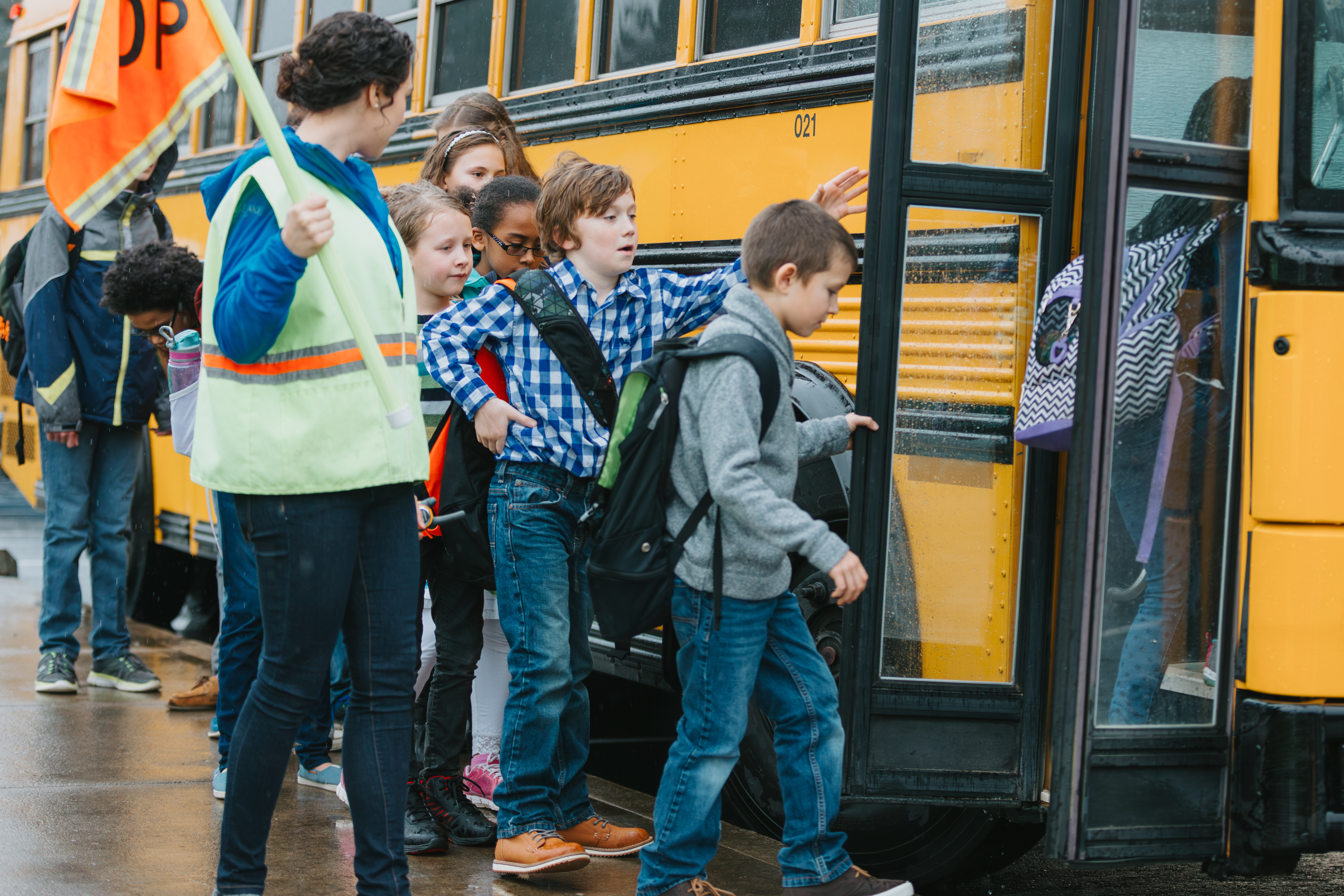
For students living close to their campuses or workplaces, biking can be an excellent alternative to motorized transportation. It's cost-effective, environmentally friendly, and promotes physical health.
Many universities and cities support biking by providing bike racks, repair stations, and even bike-sharing programs. Students can also consider purchasing used bicycles or participating in bike lending programs to reduce initial costs.
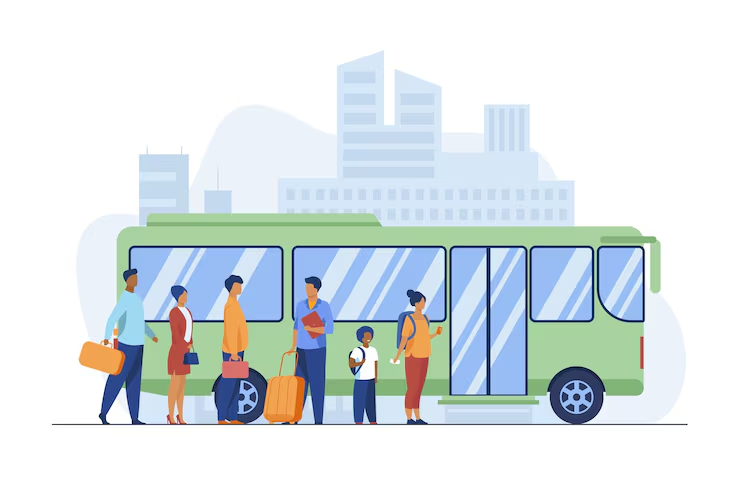
Carpooling is a practical way for students to share transportation costs. By coordinating with classmates or using carpooling apps, students can split expenses and reduce their carbon footprint.
Many universities have carpool programs that connect students with similar schedules, facilitating easy and affordable commuting options. It's a great way to build community while saving money.
Many colleges and universities offer free or low-cost shuttle services for students. These shuttles typically operate on fixed routes connecting major campus locations, dormitories, and nearby transit hubs.
Utilizing campus shuttle services can save students money and time, as they eliminate the need for parking and reduce the reliance on personal vehicles.
Several cities and transit authorities offer discounted transit passes specifically for students. These passes provide unlimited rides within a certain period, offering significant savings for regular commuters.
Students should check with their local transit agencies or university transportation offices to learn about available discounts and how to apply for them.
For short distances, walking remains the most cost-effective mode of transportation. It's free, promotes health, and is often the quickest way to get around on campus.
Students should consider walking for short errands or when the weather permits, as it not only saves money but also reduces environmental impact.
In many urban areas, electric scooters and mopeds are available for rent through various apps. These provide a quick and affordable way to travel short distances.
Students can use these services for last-mile connectivity, especially when public transit stops are far from their destinations. It's important to follow local regulations and safety guidelines when using these vehicles.
Some local governments offer programs to assist students with transportation costs. These may include subsidies, free transit days, or partnerships with rideshare companies to provide discounted rides.
Students should stay informed about such programs by checking with their university's student affairs office or local government websites.
Finding affordable transportation options for students in the USA is essential for managing living expenses and ensuring timely attendance at classes and other commitments. By exploring various modes of transportation—such as public transit, rideshare services, biking, carpooling, and utilizing campus resources—students can make informed choices that fit their budget and lifestyle.
It's important for students to research and take advantage of available discounts, programs, and services to maximize savings. Planning ahead and considering multiple transportation options can lead to a more economical and sustainable college experience.