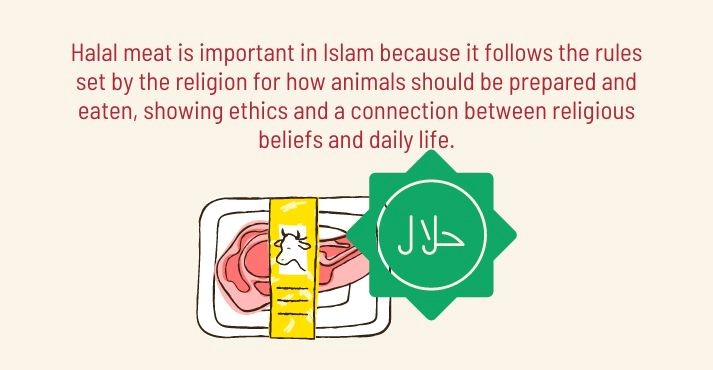
The halal diet is not only a religious requirement but also a guide to healthy living. In 2025, more people are recognizing that eating halal promotes hygiene, ethical consumption, and nutritional balance. A proper halal diet emphasizes clean, safe, and wholesome foods that contribute to overall wellness and disease prevention.
A halal diet follows Islamic dietary laws, which include the proper method of slaughtering animals and avoiding forbidden foods such as pork and alcohol. Halal foods are prepared hygienically and emphasize clean ingredients, which makes them inherently healthier and safer for consumption. This diet encourages moderation, balance, and mindfulness in eating habits.
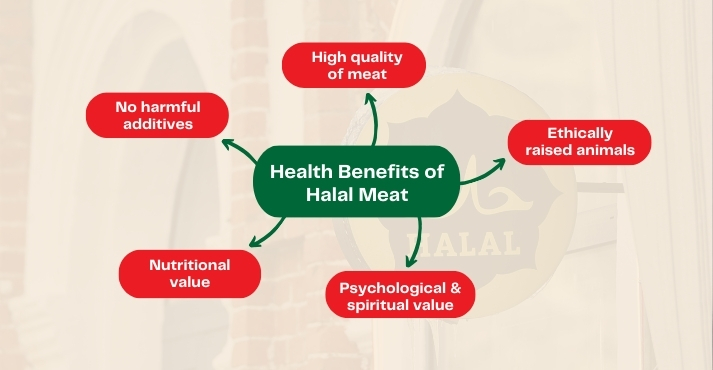
One of the main advantages of a halal diet is its emphasis on hygiene and food safety. Halal meat is carefully inspected, properly slaughtered, and drained of blood, reducing the risk of contamination. Avoiding forbidden foods like pork and alcohol also lowers the chance of foodborne illnesses. This ensures that your meals are not only religiously compliant but also safer and healthier.
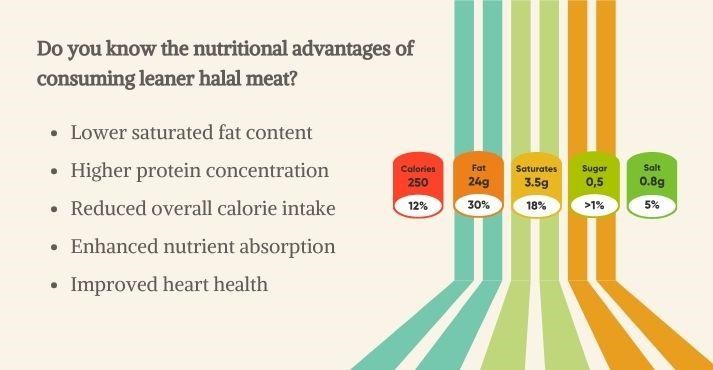
Halal foods often consist of lean meats, fresh fruits, vegetables, and whole grains. This promotes balanced nutrition with essential proteins, vitamins, and minerals. By focusing on natural and unprocessed foods, the halal diet supports a healthy immune system, better digestion, and improved energy levels, making it ideal for a long-term healthy lifestyle.
Eating halal also emphasizes ethical consumption. Animals are treated humanely, and wasteful or harmful practices are avoided. This promotes mindfulness in food choices, encouraging people to eat responsibly, reduce waste, and respect the environment.
The halal diet is naturally low in unhealthy fats and avoids processed foods, which can contribute to heart disease. By consuming lean meats, fresh produce, and whole grains, individuals on a halal diet maintain healthy cholesterol levels and reduce the risk of cardiovascular problems over time.
Halal foods promote moderation and mindful eating, which supports weight management. Balanced meals rich in proteins, fiber, and essential nutrients help control appetite, prevent overeating, and maintain a healthy body weight, contributing to long-term wellness.
Halal foods, especially those rich in fruits, vegetables, and lean proteins, provide vitamins and minerals that strengthen the immune system. Avoiding harmful additives and alcohol also supports the body’s natural defenses, reducing susceptibility to illness.
A diet consisting of clean, unprocessed halal foods aids in better digestion. High fiber from vegetables, legumes, and whole grains promotes gut health, prevents constipation, and enhances nutrient absorption, ensuring optimal gastrointestinal function.
Following a halal diet fosters mindfulness, discipline, and spiritual connection. Eating consciously and ethically improves mental well-being, reduces stress, and promotes a positive attitude towards food and life.
Adopting a halal diet in 2025 offers multiple benefits for a healthy life, including improved hygiene, nutrition, ethical consumption, weight management, heart health, and mental well-being. By choosing halal foods and eating mindfully, individuals can achieve holistic wellness and maintain a sustainable, balanced lifestyle.