
Managing finances as a student in the USA can be challenging, especially when trying to adhere to Shariah-compliant principles. Halal money management involves avoiding interest-based loans, gambling, and unethical spending while focusing on saving, investing ethically, and budgeting effectively. By practicing halal financial habits, students can not only achieve financial stability but also align their spending and saving practices with Islamic values. Key strategies include planning expenses, reducing unnecessary costs, and seeking ethical income sources like halal part-time jobs or scholarships. Integrating halal saving tips into daily life ensures students remain financially responsible while adhering to Islamic law.
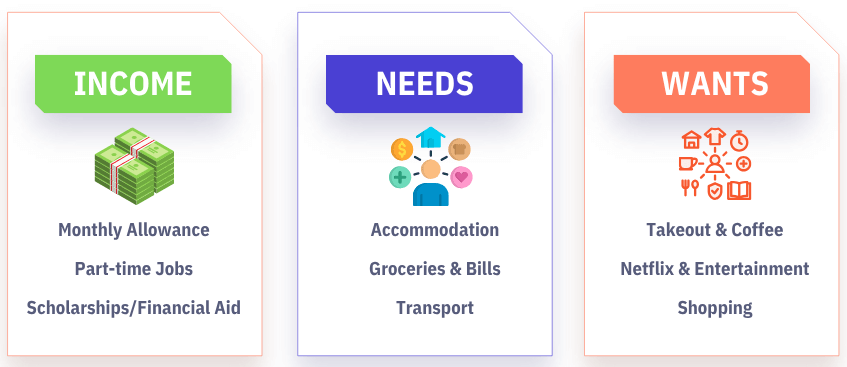
Creating a practical budget plan is the foundation of halal money management. Students should track all income sources, including allowances, scholarships, and halal part-time work. Categorize expenses into essentials like rent, groceries, transportation, and utilities, and discretionary spending such as dining out or entertainment. Tools like budgeting apps can help monitor spending. By prioritizing essential costs and cutting unnecessary expenditures, students can increase their savings potential. Implementing a budget also helps avoid financial stress and ensures that all spending aligns with Shariah principles, preventing interest-based or unethical expenses.
Many students in the USA rely on traditional banks that offer interest-based accounts, which are haram. Instead, opening a Shariah-compliant student bank account ensures your money is managed ethically. These accounts avoid interest (riba) and may offer features like halal savings plans, debit cards, and mobile banking. Using such accounts encourages ethical financial behavior, ensures compliance with Islamic principles, and allows students to save money without compromising their values. Popular providers include online Islamic banks or financial institutions offering student-friendly halal accounts.

One of the most effective halal ways to save money is leveraging student discounts and scholarships. Many retailers, transportation services, and digital platforms in the USA offer student discounts on books, software, travel, and essential services. Additionally, applying for scholarships, grants, or assistantships can significantly reduce educational costs. By proactively seeking these opportunities, students can lower their expenses without compromising their ethical or halal standards, leaving more money available for halal savings or emergency funds.

Dining out frequently can drain a student’s budget. Cooking at home using halal ingredients is not only healthier but also more cost-effective. By planning meals weekly, buying in bulk, and using seasonal produce, students can save a significant amount of money. Meal prepping reduces impulsive spending and ensures compliance with halal dietary standards. Incorporating budget-friendly halal recipes also allows students to control portions and nutritional value, which contributes to both physical well-being and financial savings.
Transportation is a major expense for students in the USA. Opting for public transportation, biking, walking, or sharing rides with peers can reduce costs significantly. Many cities offer student passes or discounts for buses, subways, and trains. Ride-sharing apps can be used occasionally but should be budgeted carefully. By choosing cost-effective transportation methods, students maintain financial efficiency while minimizing dependence on high-cost services that might conflict with halal budgeting practices.
Textbooks and study materials are expensive in the USA. Students can save money by purchasing used books, renting textbooks, or using digital copies. Websites like Amazon, Chegg, or university marketplaces offer affordable options. This approach is fully halal as it avoids unnecessary spending while still providing necessary educational resources. Combining this with note-sharing groups or library resources further reduces costs, allowing students to focus their funds on essentials and halal savings strategies.
Many students subscribe to multiple streaming platforms, apps, or online services, which can quickly add up. Reviewing and cutting non-essential subscriptions ensures that spending aligns with halal financial practices. Consider sharing accounts with family or friends, using free alternatives, or pausing subscriptions during exam periods. Reducing recurring expenses helps students maximize savings without compromising lifestyle needs.
Generating halal income through part-time work, freelance projects, or online businesses can help students supplement their finances. Platforms like Upwork, Fiverr, or local tutoring services allow students to earn money without engaging in haram activities. Halal side income not only boosts savings but also teaches financial discipline and time management. By reinvesting earnings wisely, students can build a sustainable financial foundation while adhering to Islamic principles.
Creating an emergency fund is crucial for unexpected expenses such as medical costs, travel, or urgent academic needs. Students should allocate a small percentage of their income or allowance to a separate halal savings account. This fund ensures that emergencies do not lead to interest-based loans or financial stress, keeping finances ethical and secure. A typical emergency fund can cover 1–3 months of essential expenses, providing peace of mind while reinforcing disciplined halal money management.