Author: Alirezaa | Date: Saturday 26 July 2025 16:25
Persepolis, also known as Takht Jamshid, embodies the grandeur of the ancient Achaemenid Empire. Founded by Darius I in 518 BCE, it served as a ceremonial hub, reflecting the empire's artistic and architectural prowess. Today, the site stands as a profound testament to the sophistication of Persian culture, offering visitors a vivid glimpse into its history.
The ruins of Persepolis, from the majestic columns of the Apadana Palace to the intricate bas-reliefs, narrate tales of ancient ceremonies and the empire’s extensive reach. For those intrigued about Takht Jamshid, a visit promises a deep dive into the achievements and legacy of one of history's most influential civilizations. The enduring beauty and historical significance of Persepolis make it an essential destination for anyone captivated by the past.
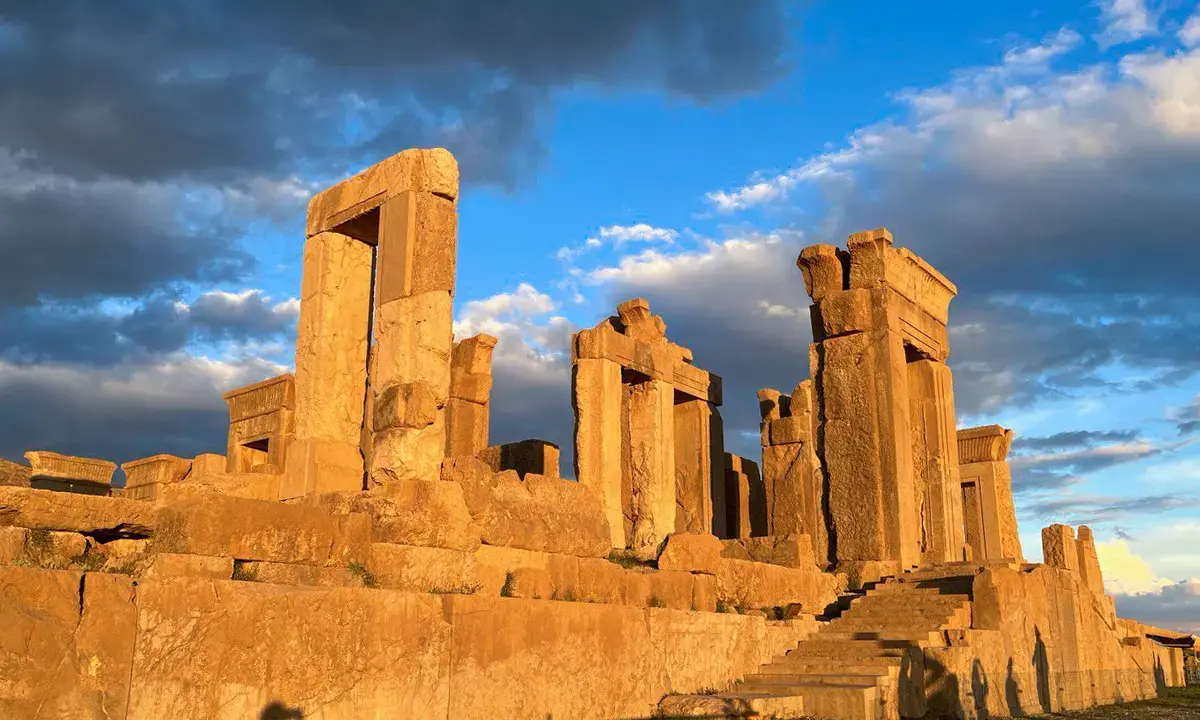
Persepolis, also known as Takht Jamshid, is located in the Fars Province of Iran. This ancient site, approximately 60 kilometers northeast of the city of Shiraz, is set against the backdrop of the Rahmat Mountain range. Persepolis Takht Jamshid stands as a significant archaeological site and a symbol of the historical and cultural heritage of the Persian civilization.
Persepolis is located near the city of Shiraz, one of Iran's most culturally significant cities. The nearest airport is Shiraz International Airport, which is well-connected domestically and has some international flights. Upon landing in Shiraz, Persepolis is approximately a 60 km drive northeast of the city.
While there are various ways to reach Persepolis, renting a car is arguably the most convenient. Car rentals are available at Shiraz International Airport and within the city. This option offers flexibility and the freedom to explore at your own pace, not just at Persepolis but also in the surrounding areas. Alternatively, for those who prefer not to drive, there are regular bus services and taxis available from Shiraz. The journey by road offers scenic views of the rugged Iranian landscape, adding to the overall experience.
The best time to visit Persepolis Takht Jamshid is during the spring months of March to May. During this period, the weather is mild and pleasant, ideal for exploring the extensive ruins comfortably. The cooler temperatures allow for longer visits, which is beneficial given the expansive nature of the site. Additionally, the spring bloom adds a scenic beauty to the ancient landscapes, enhancing the overall experience. Autumn, specifically from late September to early November, is also a good time due to similar weather conditions, avoiding the intense heat of the summer months.
| Feature | Description |
|---|---|
| Name | Persepolis (Takht-e Jamshid in Persian) |
| Location | Marvdasht, Fars Province, Iran |
| Coordinates | 29°56′06″N 52°53′24″E |
| Founded | 6th century BC, during the reign of Darius I |
| Abandoned | 330 BC |
| Architectural Style | Achaemenid architecture |
| UNESCO World Heritage Site | Designated in 1979 |
| Notable Structures | Apadana Palace, Throne Hall, Tachara, Gate of All Nations |
| Material | Limestone, mud-brick, cedar wood |
| Significance | Ceremonial capital of the Achaemenid Empire and a symbol of Persian art and architecture |
The Apadana Palace, commissioned by Darius I, was the largest building in Persepolis. It was used for grand ceremonies. Highlight its immense size and the vast number of columns (72 in total) that support its roof.
The Tachara, or the 'Winter Palace,' built by Darius I, served as a private and exclusive building. It was one of the few structures that survived the invasion of Alexander the Great.
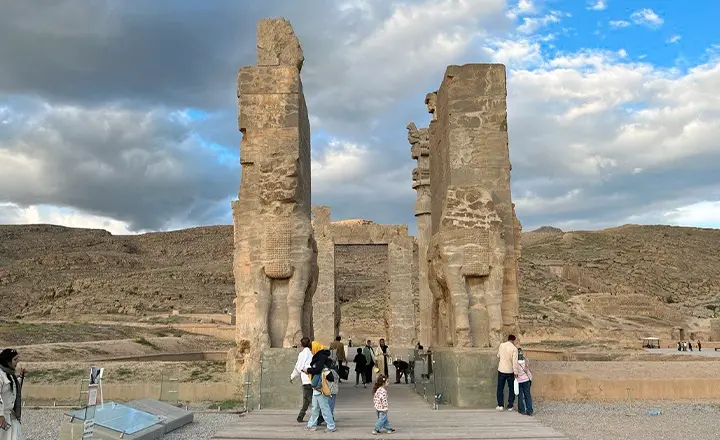
The Gate of All Nations, acting as the grand entrance to the Persepolis terrace, symbolized the empire's power and diversity.
When visiting Persepolis (Takht-e Jamshid), it's worth exploring the nearby attractions to get a fuller picture of the region's rich history and culture. Here are some notable sites and attractions close to Persepolis:
Takht-e Jamshid, known globally as Persepolis, stands as a monumental tribute to the grandeur and sophistication of ancient Persia. It continues to inspire awe and respect, offering a profound connection to the past.
Takht-e Jamshid, also known as Persepolis, was the ceremonial capital of the Achaemenid Empire, founded by Darius I in 518 BCE. It symbolizes the cultural, political, and economic zenith of the Persian Empire.
Fly into Shiraz International Airport and drive approximately 60 km northeast to Persepolis.
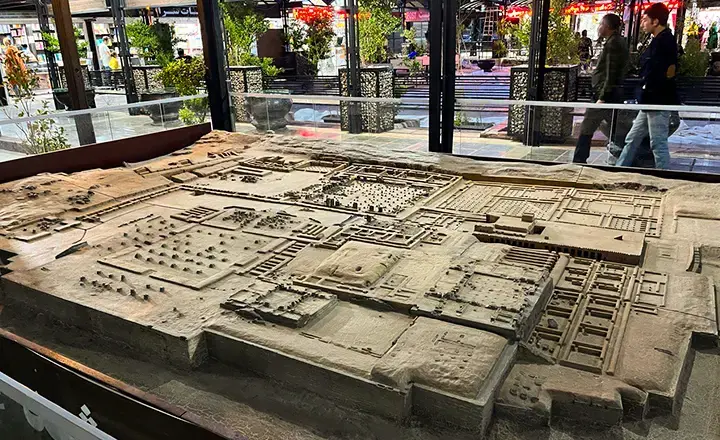
Key features include the Gate of All Nations, Apadana Palace, the Terrace of Persepolis, and the Tomb of King Darius.
The best time is during spring (March-May) and autumn (September-November) when the weather is mild.