
In 2025, online learning platforms are transforming the way students acquire knowledge. With access to a wide range of courses, certifications, and degrees, students can pursue education from anywhere in the world. The rise of digital classrooms and e-learning tools has made online education flexible, convenient, and affordable. These platforms offer courses in various subjects such as technology, business, creative arts, and personal development, catering to different learning needs. For students aiming to enhance their skills, choosing the right online learning platform is crucial. This comprehensive guide highlights the top platforms available in 2025, their features, and how they can benefit students of all levels.
Coursera partners with renowned universities and companies worldwide, providing a vast range of courses, professional certificates, and degree programs. Students can access courses from institutions like Stanford, Yale, and Google. Coursera offers flexible learning options, including self-paced courses and structured programs. Both free and paid options are available, making it accessible to a wide audience. With interactive assignments, peer-reviewed projects, and quizzes, students can strengthen their understanding and enhance their resume. Coursera also provides mobile apps for learning on-the-go, ensuring that students can study anytime, anywhere.
Founded by Harvard and MIT, edX is a leading online learning platform offering courses from top universities and organizations. Students can access subjects such as computer science, business management, and humanities. edX offers free courses as well as verified certificates for a fee. The platform supports interactive learning through quizzes, discussion boards, and hands-on projects. edX also provides micro-degrees and professional certifications that help students advance in their careers. Its well-structured courses and partnerships with global institutions make edX one of the best choices for students seeking quality online education in 2025.
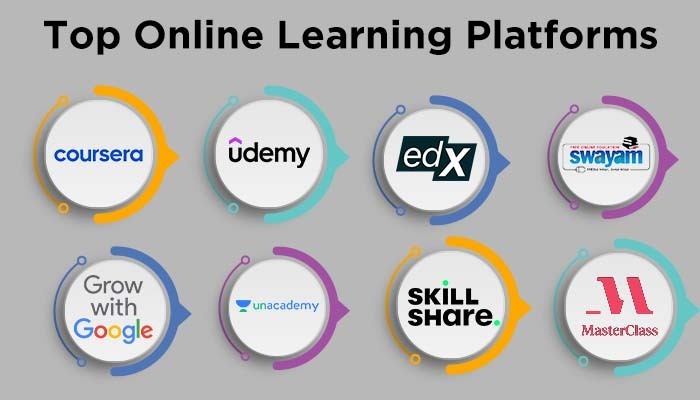
Udemy is a popular e-learning platform offering a wide variety of courses ranging from technology, marketing, and programming to personal development. With over 100,000 courses, students can choose according to their interests and pace. Udemy provides lifetime access to courses, allowing learners to revisit content anytime. Frequent discounts make it an affordable option. The platform also includes practical projects and quizzes to enhance learning outcomes. Udemy’s mobile application ensures students can learn on-the-go, making it an accessible choice for busy learners. Its wide variety of courses makes Udemy ideal for skill-building and career enhancement.

Khan Academy is a nonprofit platform offering free educational content for students worldwide. It provides lessons in math, science, economics, and humanities with interactive exercises and video tutorials. Khan Academy allows students to learn at their own pace, track their progress, and reinforce understanding through practice exercises. The platform also provides teacher and parent dashboards to monitor student performance. Its mission to provide free, high-quality education makes it an excellent resource for students in 2025. It is widely adopted by schools and individual learners seeking supplemental learning materials.
Skillshare focuses on creative learning with thousands of classes in design, photography, writing, and business. Project-based learning helps students apply concepts practically. Skillshare offers a subscription model with unlimited access to courses, making it cost-effective for long-term learners. Students can interact with instructors and fellow learners, promoting a collaborative learning environment. Skillshare also emphasizes skill-building for real-world applications, making it a valuable platform for students seeking hands-on experience in creative and professional fields.
LinkedIn Learning provides professional courses in leadership, project management, software development, and more. Integrated with LinkedIn, students can showcase completed courses and certifications directly on their profiles, enhancing employability. Subscription-based access allows unlimited courses and video tutorials. The platform includes assessments and project files, ensuring practical learning outcomes. LinkedIn Learning is ideal for students aiming to enhance career-focused skills and professional development in 2025.
FutureLearn offers online courses from global universities and institutions, emphasizing social learning. Students can engage in discussions and collaborate on projects. The platform provides free access to courses with an option for paid certifications. FutureLearn’s structured programs help students develop skills in various subjects including business, IT, and health. Its interactive approach ensures that learners remain engaged and gain practical knowledge while enhancing their resumes.
Google Classroom is widely used in schools and educational institutions. It enables teachers to organize assignments, communicate with students, and provide feedback efficiently. With integration into Google Workspace, students can access resources like Docs, Sheets, and Slides seamlessly. Google Classroom enhances collaboration and supports remote learning, making it an essential tool for student productivity and online learning in 2025.
Teachable allows educators and creators to build and sell their own online courses. With customizable templates and marketing tools, instructors can design courses tailored to student needs. Subscription plans provide access to various features including analytics and monetization. Students benefit from structured, high-quality courses while instructors reach a global audience. Teachable is an excellent choice for personalized learning and skill-building.
Udacity specializes in technology-focused programs like data science, artificial intelligence, and programming. Nanodegree programs offer mentorship, real-world projects, and career services. Udacity partners with industry leaders like Google, IBM, and Amazon, ensuring students gain practical skills relevant to the job market. Its project-based approach prepares students for high-demand tech careers and provides a competitive edge in 2025.
In 2025, students have a wide variety of online learning platforms to choose from, each offering unique benefits. From free resources like Khan Academy to professional development courses on LinkedIn Learning, students can select platforms based on their goals, interests, and budget. By leveraging these platforms, learners can enhance skills, achieve certifications, and stay competitive in an increasingly digital world. Choosing the right platform ensures effective learning, career growth, and personal development.